

By Isabella Martinez
Cedar Rapids sits squarely in the heart of the Midwest, and our weather reflects that—with four distinct seasons, frequent swings, and a climate that’s changing quietly over time. Here’s a detailed look at what residents need to know about our ongoing weather rhythms and environmental shifts.
Climate Normals and Long-Term Trends
Climate normals for the eastern Iowa area, including Cedar Rapids, updated through 2020, show annual average temperatures have risen modestly over past decades—especially during fall and winter. Nights, in particular, have been warming faster than days. Precipitation across the state has increased, especially in spring, making planting seasons wetter.
Seasonal Cycles and What to Expect
Fall: Weather’s Wild Ride
Meteorological fall begins each year on September 1 in Iowa. That means cooler mornings, shorter daylight, and humidity gradually easing off. While the autumnal equinox typically lands around September 22, Iowans often feel “fall vibes” weeks earlier.
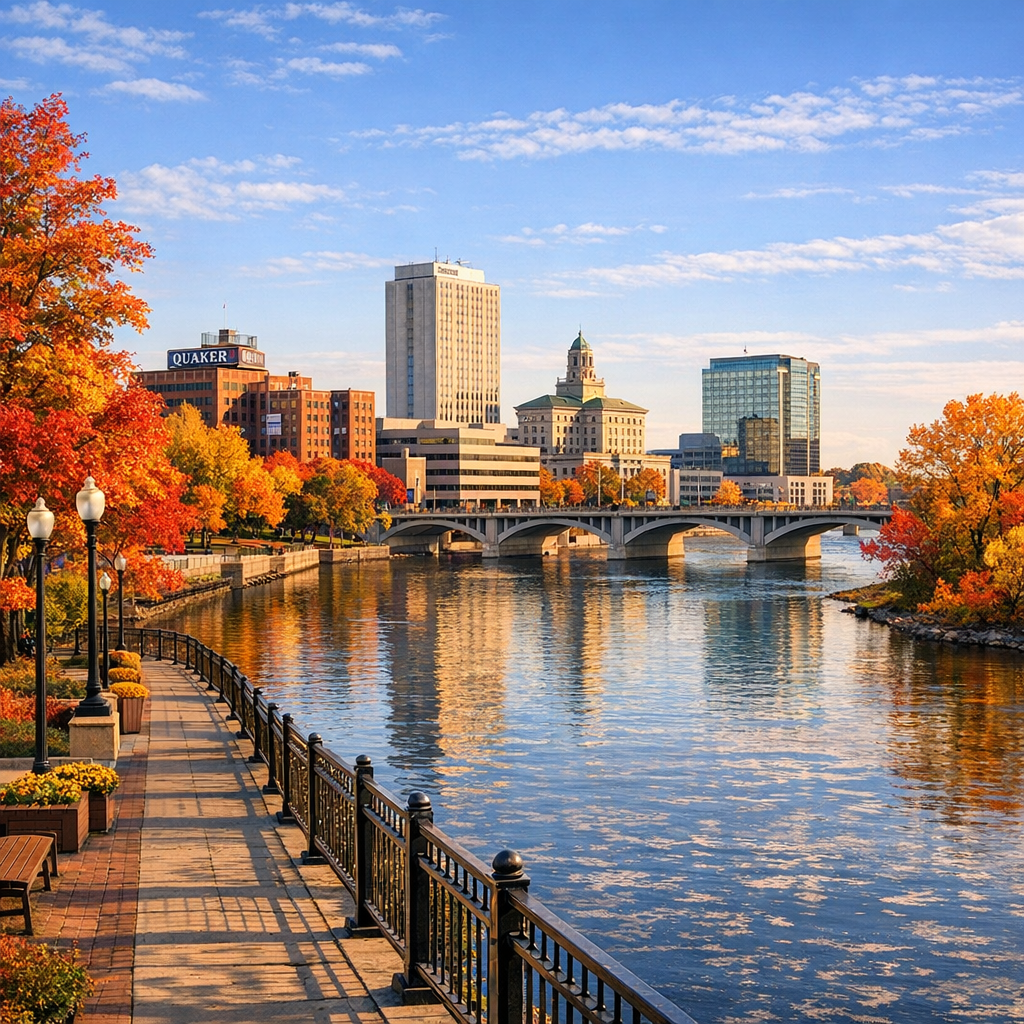
Leaves across eastern Iowa shift color in response to decreasing daylight and cooler nights. Vibrant foliage usually peaks from early to mid-October in this region, but heavy rains or cloudy conditions can dull the palette.
Winter: Cold, Dry and Variable
Winters bring cold, often dry air, with occasional snowstorms and freezing temperatures. Storm systems and airflows from the north bring Arctic cold, while milder—but still brisk—days arrive with warm Pacific influences.
Spring & Summer: Rain and Heat Peaks
Spring tends to be wet. Rising precipitation during the months of April through June has led to increasingly soggy planting seasons for local farmers—and sometimes difficulties getting crops in the ground.
Summers are warm and humid, with frequent thunderstorms. Most of Iowa’s annual rainfall comes during these months. Heat extremes do happen—but the long-term trend shows that nights are warming more than days.
Environmental Impacts & What’s Changing
With these shifting climate normals come impacts on water, agriculture and ecosystems. Wetter springs and more intense rainfall events increase risk of flooding. Warmer winters and less snowcover can affect soil moisture and ecosystems that depend on seasonal freeze and thaw cycles.
Annual precipitation is not just increasing—it’s becoming more erratic. Extreme rainfall episodes (such as rain over 2 inches in a short time) are more frequent. These contribute to erosion, runoff, and strain on drainage systems, especially in urban areas.
How to Be Ready
- Stay flexible with wardrobe and plans—fall and spring especially can flip fast between warm sun and cold fronts.
- Gardeners and farmers: watch soil moisture and forecasts closely; delayed planting or frost risks are more common in recent springs.
- Urban areas should prepare for heavy rainstorms by clearing gutters and drains; local infrastructure faces more stress from stormwater.
- Residents interested in environmental quality might pay attention to water pollution concerns—runoff and warmer temperatures can boost contaminant flows into rivers and groundwater.
Cedar Rapids weather isn’t just about what’s happening today—it’s part of a story you can see unfolding over years. By understanding the patterns, we can make smarter choices, stay safer, and appreciate the seasons as they unfold.