

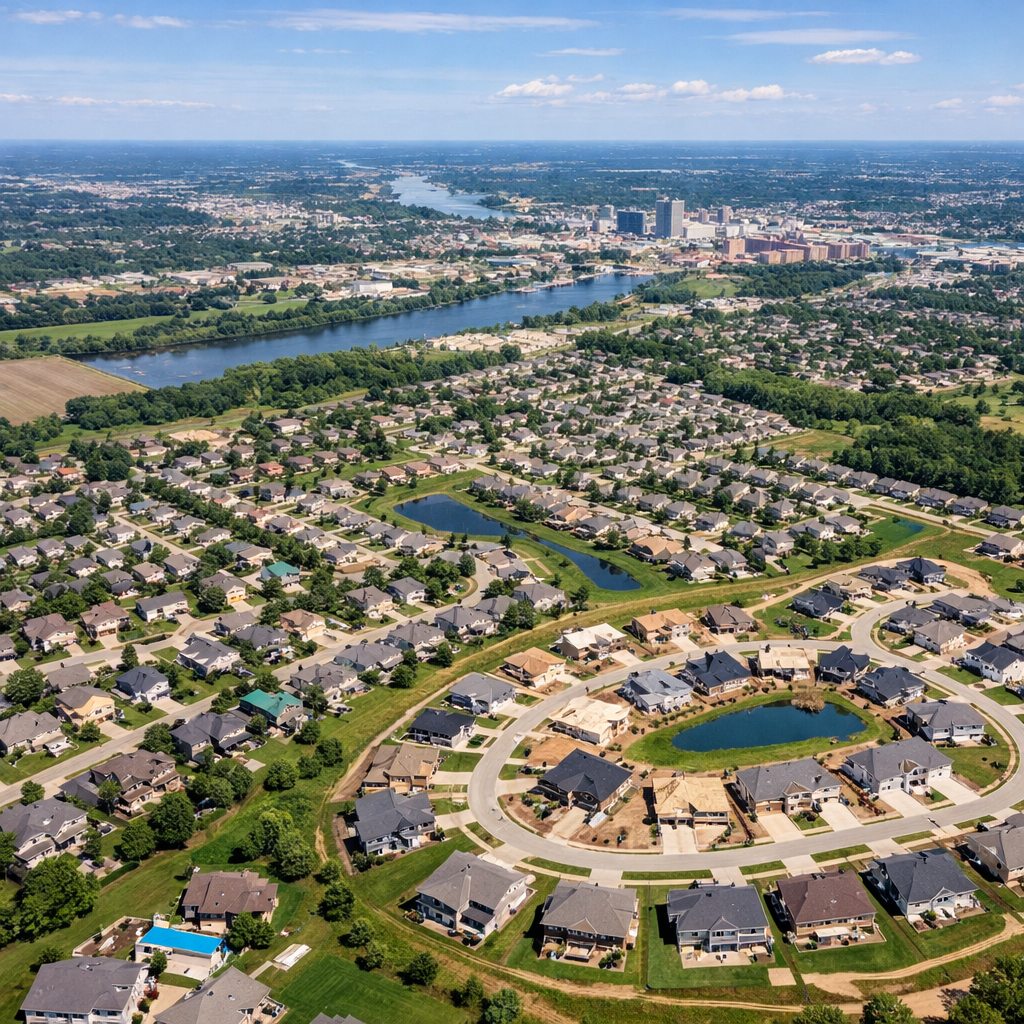
The Cedar Rapids housing market has been experiencing notable changes, reflecting broader national trends while maintaining unique local characteristics. Understanding these dynamics is essential for prospective buyers, sellers, and renters.
Current Market Trends
As of April 2026, the median listing price for homes in Cedar Rapids stands at approximately $224,990, marking a 4.21% increase over the past year. The median sold price is $214,750, up 13.62% year-over-year. Homes are selling at a median of 33 days on the market, indicating a relatively brisk pace of sales. The price per square foot has risen to $145, reflecting an 8.21% increase from the previous year. These figures suggest a competitive market with rising property values.
Inventory and Supply
The city currently has around 760 active listings, representing an 11.49% decrease compared to the previous year. This reduction in inventory contributes to the competitive nature of the market, as fewer homes are available to meet buyer demand. The months of supply metric, which indicates how long it would take to sell the current inventory at the current sales pace, is at 1.8 months, down from 2.5 months in 2025. A lower months of supply typically signifies a seller’s market.
Rental Market Insights
For renters, the median rent in Cedar Rapids is approximately $1,280 per month, reflecting a 6.67% increase over the past year. This rise in rental prices indicates sustained demand in the rental sector, potentially driven by individuals opting to rent due to the competitive home buying market or other economic factors.
Affordability Considerations
Despite rising home prices, Cedar Rapids remains relatively affordable compared to national averages. The income required to purchase a median-priced home is estimated at $70,436 per year, while the median household income in the metro area is $77,084. This suggests that homeownership is attainable for many residents, though the competitive market may pose challenges for first-time buyers.
Conclusion
The Cedar Rapids housing market is characterized by rising home prices, limited inventory, and increasing rental rates. Prospective buyers should be prepared for a competitive environment, while sellers may find favorable conditions to list their properties. Renters should anticipate potential rent increases and plan accordingly. Staying informed about market trends and working with knowledgeable real estate professionals can help navigate this dynamic landscape.