

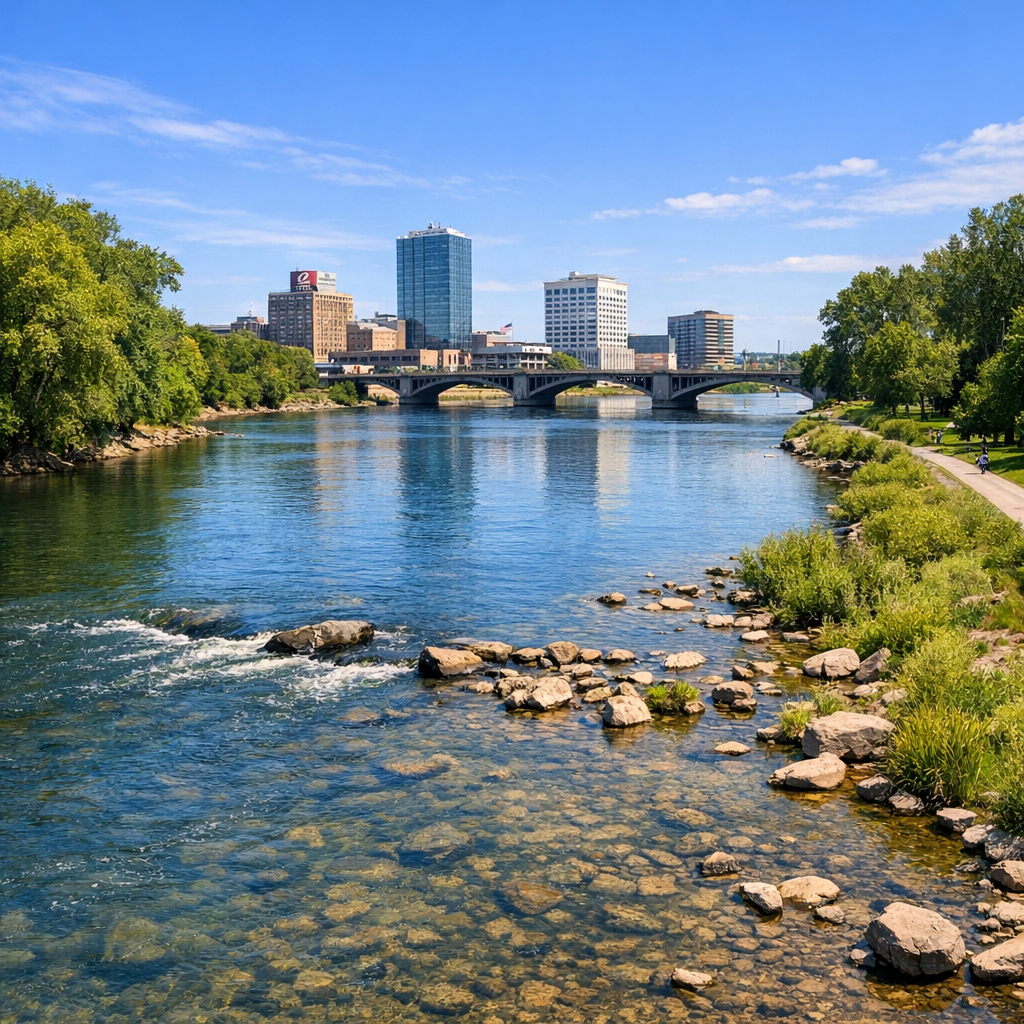
Cedar Rapids has long been proactive in addressing water quality challenges, particularly those stemming from nutrient runoff and algal blooms in the Cedar River watershed. The city’s commitment to safeguarding its drinking water sources has led to the implementation of various strategies aimed at mitigating these issues.
Understanding the Challenges
The Cedar River, a primary source of drinking water for the city, has faced contamination from excessive nitrogen and phosphorus. These nutrients, often originating from agricultural fertilizers and manure, can lead to algal overgrowth, negatively impacting aquatic ecosystems and posing health risks to residents. Elevated nitrate levels in drinking water are particularly concerning, as they can render water supplies unsafe for consumption.
Collaborative Solutions
Recognizing the need for a comprehensive approach, Cedar Rapids has collaborated with local farmers, environmental organizations, and state agencies to implement best management practices. These include promoting cover crops, buffer strips, and wetland restoration projects designed to reduce nutrient runoff into the river.
Community Engagement
Public education campaigns have been instrumental in raising awareness about water quality issues. By engaging residents and stakeholders, the city aims to foster a collective sense of responsibility and encourage practices that contribute to cleaner waterways.
Looking Ahead
While significant progress has been made, Cedar Rapids remains committed to continuous improvement. Ongoing monitoring, adaptive management strategies, and sustained community involvement are essential to ensure the long-term health of the Cedar River and the safety of the city’s drinking water.
Residents are encouraged to stay informed and participate in local initiatives aimed at preserving and enhancing water quality. Together, the community can build a resilient and sustainable future for Cedar Rapids.