

By Mia Garcia
Whether you’re a renter, buyer, or simply keeping an eye on community growth, Cedar Rapids’ housing landscape offers a mix of opportunities and challenges. From changes in home prices to bold development plans, here’s what’s shaping where we’ll live in the years ahead.
Current Market Snapshot: Home Prices & Time on Market
The median home sale price in Cedar Rapids sits around $206,900, marking a slight drop of about 1.5% from the same period last year. Homes are moving more quickly — the average time on market has dropped to just 10 days compared to 15 last year. While demand remains strong, activity is calming somewhat.
Also, Zillow reports a typical home value of about $214,800 with a year-over-year increase of 2.5%. These variations reflect different data sources and metrics used.
Rental Trends & What Renters Should Expect
Renters are seeing average rates near $1,265 for all property types. That’s up by approximately $140 versus last year, showing steady upward pressure. One-bedroom apartments often go for around $820, while bigger units—like three bedrooms—can run closer to $1,800. There’s been a small dip month-over-month, but overall rent is rising for many households. These figures put Cedar Rapids well below national averages, but inflation and demand mean renters here still feel the stress.
Local Development: What’s Coming and What It Means
Several new housing developments are underway or in planning that are set to change parts of Cedar Rapids:
- Foxtail Ridge: A $25 million project along Council Street NE, featuring duplexes and market-rate apartments aimed at providing more housing in a growing northern corridor.
- Mercy Senior Living Community & Innovation Center: Near 9000 C Ave NE, this development will offer new senior living options in partnership with Presbyterian Homes & Services.
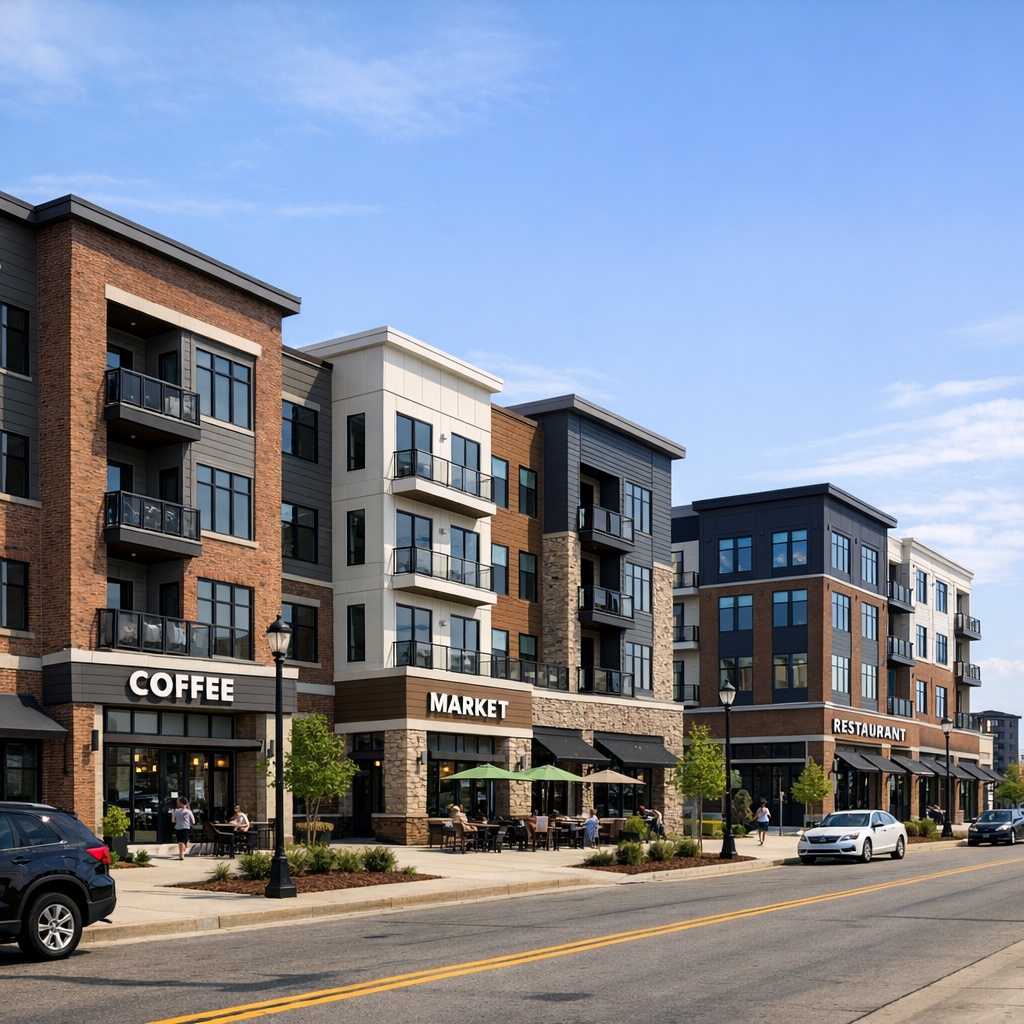
- 1st Avenue East Corridor Redevelopment Plan: Adopted earlier in 2026, it sets up a blueprint for mixed-use redevelopment with walkable urban spaces, enhanced streetscapes, and nearly 750 new residential units to help meet the demand for affordable or workforce housing.
- Affordable Housing Network, Inc. (AHNI) Initiatives: Focused on creating and preserving housing for families at or below 80% of area median income. Their approach includes rehabilitating homes, building new single-family and apartment units, and emphasizing access to services and transportation.
What Buyers and Renters Should Keep in Mind
For Buyers
• Be ready to act: with homes selling faster, offers need to be well prepared.
• Know your neighborhood: values vary considerably across Cedar Rapids depending on location and lot size.
• Consider down payment assistance programs—several City and nonprofit efforts are already helping first-time buyers.
For Renters
• Budget carefully: recent rent increases may outpace income growth in some cases.
• Evaluate neighborhoods beyond rent: amenities, transit, and proximity to work or schools matter more when prices rise.
• Explore subsidized or income-based housing: there’s growing support for affordable rentals and housing stability initiatives.
Looking Ahead: What’s Still Unresolved
Affordable housing remains a pressing need in Cedar Rapids. The city estimates a gap of hundreds of “deep-subsidy” units to serve the most cost-burdened households. Infrastructure and flood protection also weigh in: residents and developers alike consider these factors when investing in older neighborhoods.
While growth is underway in many areas, balancing speed of development with affordability and community impact will determine how well Cedar Rapids meets housing needs in the near future.