

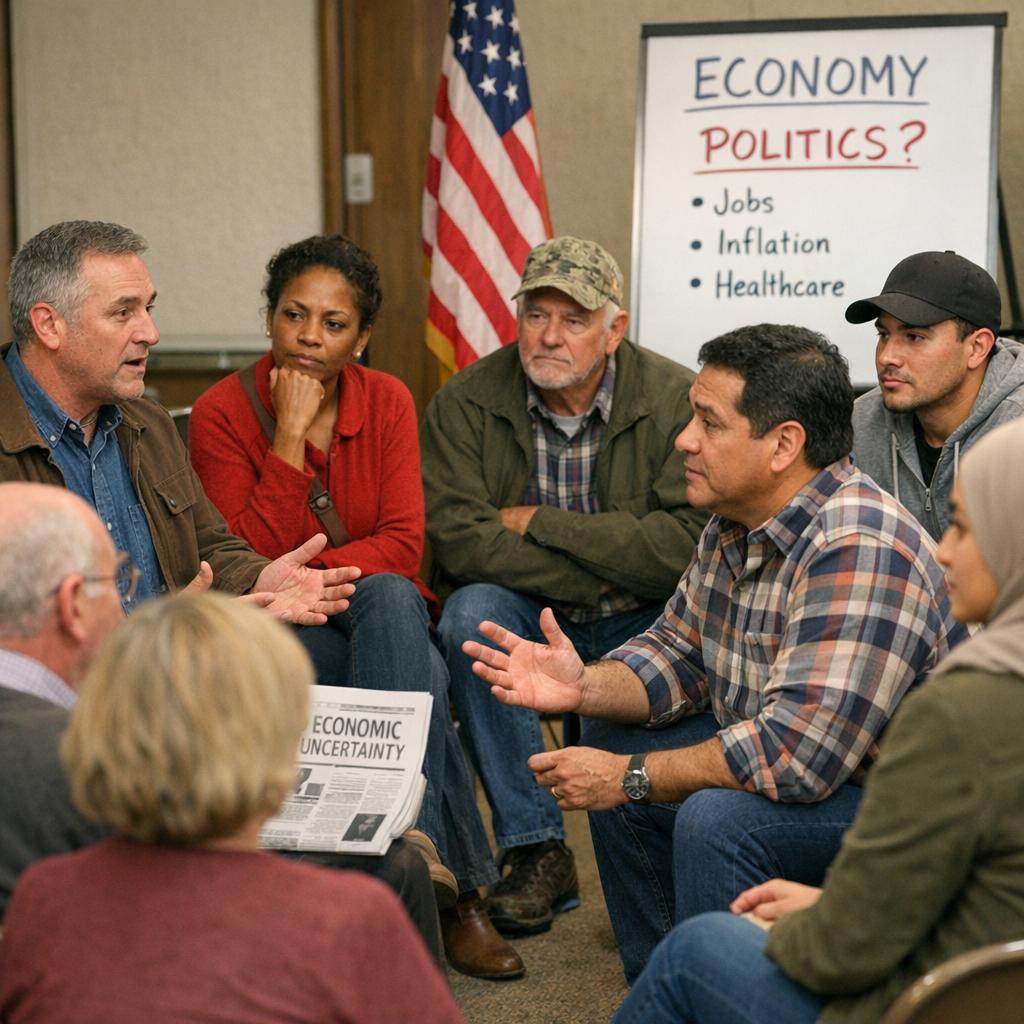
The United States is experiencing notable shifts in both its economic performance and political affiliations, reflecting a nation in transition.
Economic Overview
In the first quarter of 2026, the U.S. economy grew at an annualized rate of 2%, rebounding from a sluggish 0.5% in the previous quarter. This growth was bolstered by increased federal spending and robust investments in artificial intelligence sectors. However, the conflict in Iran has led to a blockade of the Strait of Hormuz, causing energy prices to surge and adding inflationary pressures to the economy. Consumer spending has also slowed, with declines in both goods and services expenditures, indicating financial strains on middle and moderate-income households.
Political Landscape
Politically, a record-high 45% of U.S. adults identified as independents in 2025, surpassing previous records. This shift indicates a growing segment of the population distancing itself from traditional party affiliations, potentially leading to a more fragmented political environment. Additionally, the U.S. public remains evenly divided politically, with 46% identifying with or leaning toward the Republican Party and 46% toward the Democratic Party. This balance underscores the nation’s deep political divisions and the potential for continued polarization.
These developments highlight the dynamic nature of the U.S. economic and political landscapes, emphasizing the importance of staying informed and engaged as the nation navigates these changes.